


La fleur que tu m'avais jetéedans ma prison m'était restée,flétrie et sèche, cette fleurgardait toujours sa douce odeur;et pendant des heures entières,sur mes yeux, fermant mes paupières,de cette odeur je m'enivraiset dans la nuit je te voyais!
Je me prenais à te maudire,à te détester, à me dire:pourquoi faut-il que le destinl'ait mise là sur mon chemin!
Puis je m'accusais de blasphème,et je ne sentais en moi-même,qu'un seul désir, un seul espoir:te revoir, ô Carmen, oui,te revoir!
Car tu n'avais eu qu'à paraître,qu'à jeter un regard surmoi pour t'emparer de tout mon être,ô ma Carmen!Et j'étais une chose à toi!
Carmen, je t'aime!
Luciano Pavarotti (October 2, 1935 – September 6, 2007) was one of the most celebrated Italian tenors of all time. Born in Modena, he began his career as an elementary school teacher before dedicating himself fully to music. His operatic debut took place in 1963 at the Teatro Municipale di Reggio Emilia. Pavarotti quickly rose to fame for his powerful and melodious vocal timbre, impeccable technique, and ability to engage audiences with his contagious energy. Among his most celebrated roles are Rodolfo in La Bohème, the Duke of Mantua in Rigoletto, and Don Ottavio in Don Giovanni. In addition to opera, Pavarotti also ventured into light lyric singing and pop music, collaborating with artists such as José Carreras and Plácido Domingo. In 1990, he participated in the famous concert for the fall of the Berlin Wall, an event that cemented his status as a global music icon. Pavarotti left behind an immense musical legacy, influencing generations of singers and opera enthusiasts worldwide. Some of his most representative pieces include: 'Nessun Dorma', 'La donna è mobile', 'O mio babbino caro'.

 Alberto Camerini
 Angelo Della Fera
 Teresa Langella
 Magazzini Della Comunicazione
 Mimmo Amarelli
 Alice Caioli
 Daniel Adomako
 Ada Reina
 Mi Residenza All Stars
 Claudio Villa & Sergio Renda
 Camelz Finezza Click
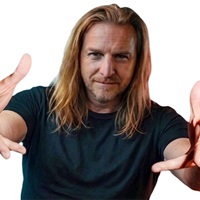 Samuel Kimkò