


Doon by Stirling Brig, the Wallace lay in hiding
As the Englishmen, frae the south came riding
Loud the river Forth, between them baith was gurling
Gurling oot o' sicht, below the Brig O Stirling
Watching frae the wood, the Wallace and the Moray
As the English Cam' wi' the Earl O' Surrey
Ane by ane they crossed, a' the brig was filling
Still they onward cam' o'er the Brig O' Stirling
Wallace gave the shout, oot his men cam running
Stopped the English host on the Brig O' Stirling
Cressingham turned round, the brig was sma' for turning
Moray cut him down on the Brig O' Stirling
All the English men ran intae each other
Nane could turn about, nane could gae much further
Some fell o'er the side in the Forth was drowning
Some were left tae dee on the Brig O' Stirling
Surrey he was wild, could nae ford the river
Wished wi' all his mecht that the brig was bigger
Then he rade awa, loud the man was cursin'
He'd lost a' his men, and the Brig o' Stirling.
The Corries were a Scottish folk group that emerged from the Scottish folk revival of the early 1960s. Although the group was a trio in the early days, it is best known as the partnership of Roy Williamson and Ronnie Browne. Williamson, singer and guitarist, came from a musical family and had already experience in traditional Scottish singing before forming The Corries. Browne, a versatile musician, mainly played fiddle, mandolin and banjo. Their musical style was characterized by original arrangements of traditional Scottish songs, often with a modern touch. Among the most famous songs by The Corries are "Flower of Scotland", which became the unofficial national anthem of Scotland, and "The Laird o'Cockpen". The group enjoyed great success in the 1960s and 1970s, releasing numerous albums and performing at music festivals worldwide. Their music helped to spread Scottish culture and folk traditions internationally.

 The Delgados
 Pallas
 Sheena Easton
 The Cinematics
 The Proclaimers
 Dougie Maclean
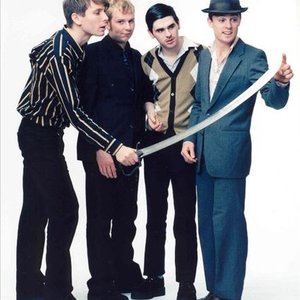 Franz Ferdinand
 Ballyhoo!
 Annie Lennox
 Glasvegas
 The Blue Nile
 Momus