


He was a fine upstanding bantam-cock
So brisk, and stiff, and spry...
With a springy step, and a jaunty plume,
And a purposeful look in his eye
In his little black laughing eye!
So I took him to the coop and introduced him to
My seventeen wide-eyed hens
And he tupped and he tupped as a hero tupps,
And he bowed to them all, and then,
He up and took 'em all again!
Then upon the peace of my ducks and geese
He boldly did intrude
And with glazed eyes and opened mouths
They bore him with fortitude...
And a little bit of gratitude!
He jumped my giggling guinea-fowl!
He thrust his attentions upon
Twenty hysterical turkeys,
And a visiting migrant swan!
And the bantam thundered on!
He groped my fan-tail pigeon doves,
My lily-white Columbine,
And as I was lookin' at me budgerigar,
He jumped my parrot from behind!
And it was sittin' on me shoulder at the time!
But all of a sudden, with a gasp and a gulp,
He clapped his wings to his head!
He lay flat on his back with his feet in the air;
My bantam-cock was dead!
And the vultures circled overhead!
What a noble beast!
What a champion cock!
What a way to live and die!
As I dug him a grave to protect his bones,
From those hungry buzzards in the sky,
The bantam opened up his eyes!
He gave me a wink, and a terrible grin,
The way that rapists do...
He said, "Do you see them silly daft buggers up there?
They'll be down in a minnit 'er two!
They'll be down in a minnit 'er two!"
The Corries were a Scottish folk group that emerged from the Scottish folk revival of the early 1960s. Although the group was a trio in the early days, it is best known as the partnership of Roy Williamson and Ronnie Browne. Williamson, singer and guitarist, came from a musical family and had already experience in traditional Scottish singing before forming The Corries. Browne, a versatile musician, mainly played fiddle, mandolin and banjo. Their musical style was characterized by original arrangements of traditional Scottish songs, often with a modern touch. Among the most famous songs by The Corries are "Flower of Scotland", which became the unofficial national anthem of Scotland, and "The Laird o'Cockpen". The group enjoyed great success in the 1960s and 1970s, releasing numerous albums and performing at music festivals worldwide. Their music helped to spread Scottish culture and folk traditions internationally.

 Kt Tunstall
 Darius Danesh
 Eugene Kelly
 Edwyn Collins
 Belle & Sebastian
 Bay City Rollers
 Deacon Blue
 Susan Boyle
 Malcolm Middleton
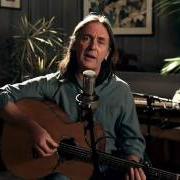 Dougie Maclean
 Paolo Nutini
 We Were Promised Jetpacks