


Now it fell about the Lammas tide,
When the muir-men win their hay,
The doughty Douglas bound him ride
Into England, to drive a prey
He chose the Gordons and the Graemes,
The Lindesays, light and gay
But the Jardines wald nor with him ride,
And they rue it to this day
He has burn'd the dales of Tyne,
And part of Bambrough shire
Three tall towers on Reidswire fells,
He left them all on fire
And he march'd up to Newcastle,
And rode it round about
Sayin wha's the lord of this castle?
And wha's the lady o't?
But up spake proud Lord Percy then,
And O but he spake hie
I am the lord of this castle,
My wife's the lady gaye
If thou'rt the lord of this castle,
Sae weel it pleases me
For, 'er I cross the Border fells,
The tane of us sall dee
He took a lang spear in his hand,
Shod with the metal free,
And for to meet the Douglas there,
He rade right furiously
The Corries were a Scottish folk group that emerged from the Scottish folk revival of the early 1960s. Although the group was a trio in the early days, it is best known as the partnership of Roy Williamson and Ronnie Browne. Williamson, singer and guitarist, came from a musical family and had already experience in traditional Scottish singing before forming The Corries. Browne, a versatile musician, mainly played fiddle, mandolin and banjo. Their musical style was characterized by original arrangements of traditional Scottish songs, often with a modern touch. Among the most famous songs by The Corries are "Flower of Scotland", which became the unofficial national anthem of Scotland, and "The Laird o'Cockpen". The group enjoyed great success in the 1960s and 1970s, releasing numerous albums and performing at music festivals worldwide. Their music helped to spread Scottish culture and folk traditions internationally.

 Karen Matheson
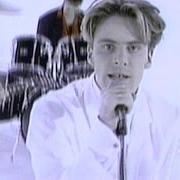 Deacon Blue
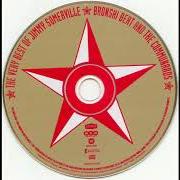 Jimmy Somerville
 Paolo Nutini
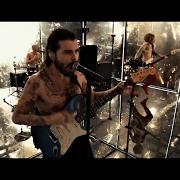 Biffy Clyro
 Aberfeldy
 Gowan
 Amy Macdonald
 Deacon Blue & Ricky Ross
 Idlewild
 Sheena Easton
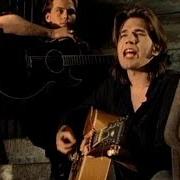 Del Amitri