


The stars are burning cheerily, cheerily, Horo Mhairi dhu, turn ye to me
The sea mew is moaning drearily, drearily, Horo Mhairi dhu, turn ye to me
Cold is the storm wind that ruffles his breast but soft are the downy plumes lining his nest
Cold blows the storm then, soft falls the snow there, Horo Mhairi dhu, turn ye to me
The waves are dancing merrily, merrily, Horo Mhairi dhu, turn ye to me
The sea birds are wailing wearily, wearily, Horo Mhairi dhu, turn ye to me
Hushed be thy moaning loan bird of the sea, thy home on the rocks is a shelter to thee
Thy house the angry wave, mine but the lonely grave, Horo Mhairi dhu, turn ye to me.
The Corries were a Scottish folk group that emerged from the Scottish folk revival of the early 1960s. Although the group was a trio in the early days, it is best known as the partnership of Roy Williamson and Ronnie Browne. Williamson, singer and guitarist, came from a musical family and had already experience in traditional Scottish singing before forming The Corries. Browne, a versatile musician, mainly played fiddle, mandolin and banjo. Their musical style was characterized by original arrangements of traditional Scottish songs, often with a modern touch. Among the most famous songs by The Corries are "Flower of Scotland", which became the unofficial national anthem of Scotland, and "The Laird o'Cockpen". The group enjoyed great success in the 1960s and 1970s, releasing numerous albums and performing at music festivals worldwide. Their music helped to spread Scottish culture and folk traditions internationally.

 Calvin Harris
 Amy Macdonald
 Jack Bruce
 We Were Promised Jetpacks
 Edwyn Collins
 Eugene Kelly
 Belle & Sebastian
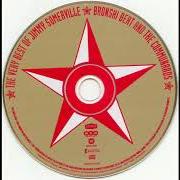 Jimmy Somerville
 Simple Minds
 Gowan
 Deacon Blue
 Ballyhoo!