


Tu che m'hai preso il cuor
sarai per me il solo amor
no, non ti scorderò
vivrò per te
ti sognerò
Te o nessuna mai più
ormai per me
come il sole sei tu
lontan da te
è morir d'amor
perché sei tu che mi hai rubato il cuor
Ti vedo tra le rose
ti dico tante cose
se il vento lieve t'accarezza
un profumar di giovinezza
mi fa tremar
La notte sogno tremando di te
quale incantesimo il mio cuor
sul tuo cuor
mentre si schiudono le pupille tue d'or
Tu che mi hai preso il cuor
sarai per me il solo amor
no, non ti scorderò
vivrò per te
ti sognerò
Te o nessuna mai più
ormai per me
come il sole sei tu
lontan da te
è morir d'amor
perché sei tu che mi hai rubato il cuor
Luciano Pavarotti (October 2, 1935 – September 6, 2007) was one of the most celebrated Italian tenors of all time. Born in Modena, he began his career as an elementary school teacher before dedicating himself fully to music. His operatic debut took place in 1963 at the Teatro Municipale di Reggio Emilia. Pavarotti quickly rose to fame for his powerful and melodious vocal timbre, impeccable technique, and ability to engage audiences with his contagious energy. Among his most celebrated roles are Rodolfo in La Bohème, the Duke of Mantua in Rigoletto, and Don Ottavio in Don Giovanni. In addition to opera, Pavarotti also ventured into light lyric singing and pop music, collaborating with artists such as José Carreras and Plácido Domingo. In 1990, he participated in the famous concert for the fall of the Berlin Wall, an event that cemented his status as a global music icon. Pavarotti left behind an immense musical legacy, influencing generations of singers and opera enthusiasts worldwide. Some of his most representative pieces include: 'Nessun Dorma', 'La donna è mobile', 'O mio babbino caro'.

 Vladimir Luxuria
 Shablo, Lamaislam, Nunzio
 Zatta
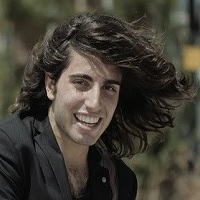 Gara
 Marco Francomano
 Arisa
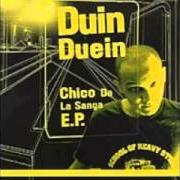 Duin Duein
 Francesco Tricarico
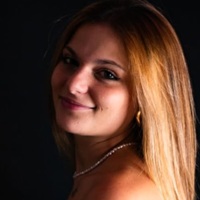 Kiaps
 Kihm
 Eldomino
 Gallagher