


M'appari tutt' amor,
il mio sguardo l'incontrò;
bella si che il mio cor,
ansioso a lei volo;
mi ferì, m'invaghì
quell' angelica beltà,
sculta in cor dall'amor
cancellarsi non potrà:
il pensier di poter
palpitar con lei d'amor,
puo sopir il martir
che m'affana e strazia il cor.
M'appari tutt'amor,
il mio sguardo l'incontrò;
bella si che il mio cor
ansioso a lei volo;
Marta, Marta tu sparisti
e il mio cor col tuo n'ando!
Tu la pace mi rapisti,
di dolor io morirò.
Luciano Pavarotti (October 2, 1935 – September 6, 2007) was one of the most celebrated Italian tenors of all time. Born in Modena, he began his career as an elementary school teacher before dedicating himself fully to music. His operatic debut took place in 1963 at the Teatro Municipale di Reggio Emilia. Pavarotti quickly rose to fame for his powerful and melodious vocal timbre, impeccable technique, and ability to engage audiences with his contagious energy. Among his most celebrated roles are Rodolfo in La Bohème, the Duke of Mantua in Rigoletto, and Don Ottavio in Don Giovanni. In addition to opera, Pavarotti also ventured into light lyric singing and pop music, collaborating with artists such as José Carreras and Plácido Domingo. In 1990, he participated in the famous concert for the fall of the Berlin Wall, an event that cemented his status as a global music icon. Pavarotti left behind an immense musical legacy, influencing generations of singers and opera enthusiasts worldwide. Some of his most representative pieces include: 'Nessun Dorma', 'La donna è mobile', 'O mio babbino caro'.

 Raffaella Cavalli
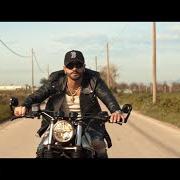 Lele Blade
 Mangrovia Twang
 A Filetta
 Es
 Scarda
 Venus' Comb
 Red (Ita)
 Luca J
 Acquatinta
 Solidoro
 Side Baby